How to Get Your Codice Fiscale in Italy
Your codice fiscale is the first thing you need in Italy, before a bank account, a lease, or a job. Here's how to get one, what to bring, and how to check if you already have it.
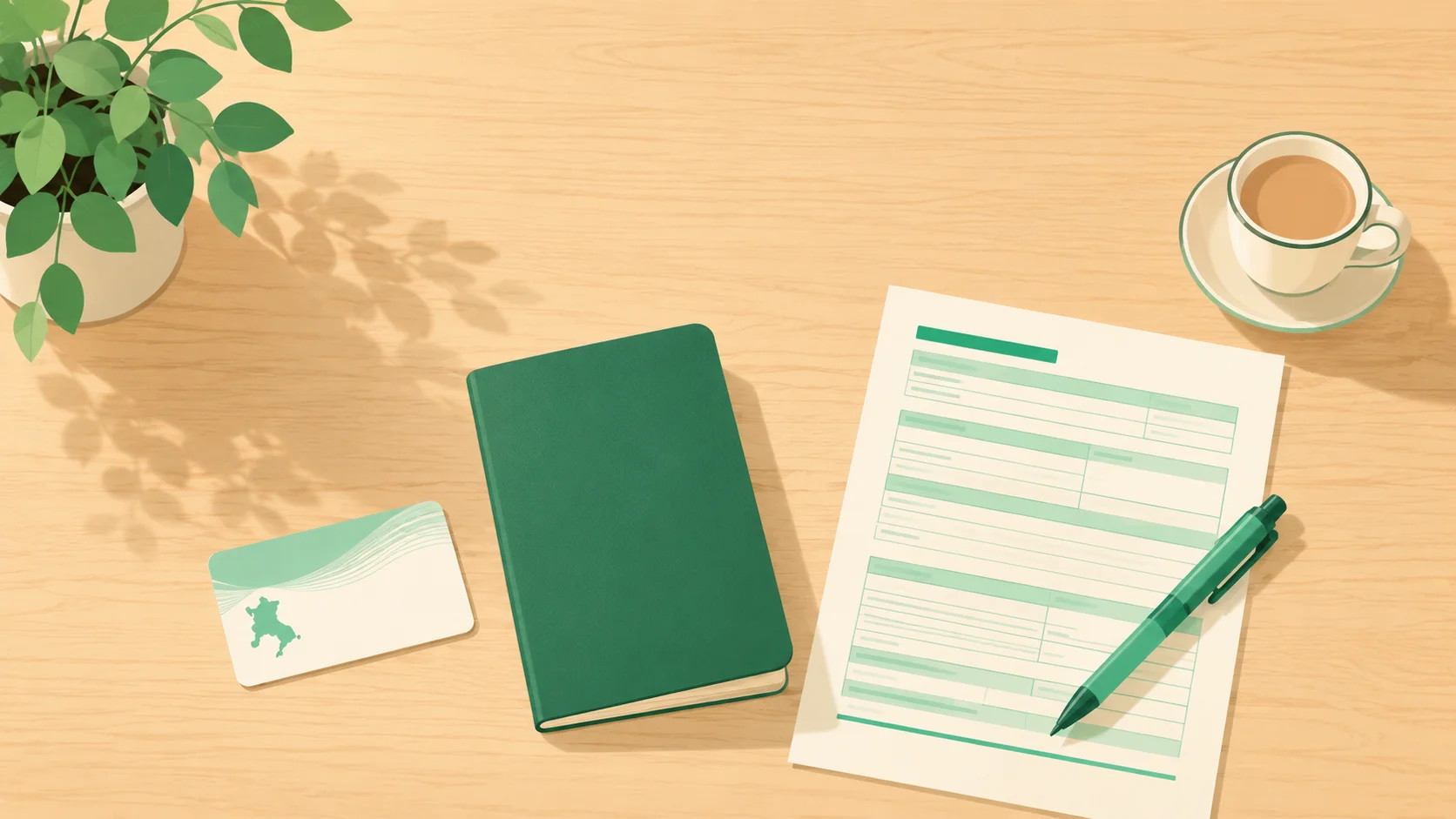
The codice fiscale is the first thing you'll need in Italy. Not the second, not "eventually." First. You can't open a bank account without it. You can't sign a lease, start a job, get a phone contract, or register with the health system. Landlords won't hand you keys. Banks will turn you away at the door.
The good news is that getting one is usually quick, and at the Italian tax office it's free. Even better, if you arrived on a work or family visa, there's a real chance you already have one and just don't know it yet. So before you set an alarm to queue at 8am, let's figure out which situation you're actually in.
What a codice fiscale actually is
A codice fiscale is your personal tax code in Italy. It's a 16-character string of letters and numbers built from your name, date of birth, sex, and place of birth. Think of it like a social security number or a national insurance number, except Italy uses it for almost everything, not just tax.
It's issued by the Agenzia delle Entrate, the Italian revenue agency. Once you have it, it's yours for life. It doesn't expire. It doesn't change if you leave the country and come back years later.
One warning worth saying early. There are websites that "calculate" a codice fiscale from your details. The number they generate might even look correct. But a self-calculated code is not legally valid for anything official. Only the code formally assigned by the Agenzia delle Entrate counts. Don't try to shortcut this with an online generator.
And having a codice fiscale doesn't make you owe tax. It's just an identifier. You only deal with Italian tax if you actually live here, earn here, or own certain things here. The code by itself costs you nothing and commits you to nothing.
First, check if you already have one
This is the step most guides skip, and it can save you a wasted morning.
If you're a non-EU citizen who came to Italy for work or family reasons, your codice fiscale was very likely assigned to you automatically during your immigration paperwork. When you signed your documents at the Sportello Unico per l'Immigrazione, or when the questura processed your permesso di soggiorno, the code was often generated as part of that process.
So look before you queue. Check any paperwork you got when you applied for your residence permit. Check the permit itself and the postal receipt. The 16-character code is often printed right there. If you find it, you're done. That's it. No trip to the tax office needed.
If you can't find it anywhere, or if you're an EU citizen (who doesn't go through the questura), then you'll need to request it yourself. Here's how.
How to get a codice fiscale in Italy
The main route, and the simplest for most people already in the country, is to walk into an office of the Agenzia delle Entrate and ask for one.
You don't strictly need an appointment, but booking one on the Agenzia delle Entrate website is smart. Walk-ins are allowed, and in smaller towns you'll be fine. In big cities the queues can eat your whole morning. Offices usually open in the morning, roughly Monday to Friday, with a few afternoon slots on some days. Hours vary by office, so check yours online first. If you're going as a walk-in, arrive early. The queue is shortest right when the doors open.
What to bring
The list is short. For an application in Italy you generally need:
- A valid passport (or, if you're an EU citizen, your national ID card)
- Your permesso di soggiorno if you're a non-EU citizen, or the postal receipt if your permit is still being processed
- The Modello AA4/8, which is the official request form
You can download the Modello AA4/8 from the Agenzia delle Entrate website and fill it in before you go, which saves time at the counter. It comes with English instructions. If you'd rather not, the staff will give you a blank one and help you fill it in.
One nice surprise: you do not need proof of address at the Agenzia delle Entrate. Your address is simply self-declared on the form. No utility bill, no lease required. (Some consulates abroad do ask for proof of address, but the tax office in Italy does not.) The form does ask you to state a reason for the request, so have a simple one ready, like signing a rental contract or enrolling at university.
What happens at the office
You take a number, you wait, you reach the counter, you hand over your documents. In most cases the clerk issues your codice fiscale on the spot and prints you a paper certificate with the number on it. You walk out with it the same day.
That paper certificate is enough to start using your code right away. You can open a bank account, sign a lease, and register for work with it. The plastic card version usually arrives by post to your Italian address a few weeks later. If you later enrol in the health system, the card you receive is the tessera sanitaria, which carries your codice fiscale on it. But you don't have to wait for any card. The number is what matters, and you have that immediately.
And the cost? It's free. There's no government fee at the Agenzia delle Entrate. Zero.
Getting it before you arrive
If you're still in your home country and want to sort this out early, you can apply through your nearest Italian consulate. You'll usually need the same Modello AA4/8, your passport, and sometimes proof of address and a short note explaining why you need the code.
Two honest caveats. Consulates can be slow, with processing times running from a few days to several weeks, and some charge a small fee where the Italian office charges nothing. A common story is someone applying at their consulate, hearing nothing for weeks, arriving in Italy anyway, and getting the code in an hour at the tax office. If you have the time before you move, applying early is one less thing to juggle on arrival. If you don't, don't stress. Getting it in person once you land is fast and free.
There's also a third option. If you're abroad and can't use the consulate easily, you can appoint someone already in Italy as a delegate to request the code for you at an Agenzia delle Entrate office.
The most common mistake is queuing at the tax office when you never needed to. If you came on a work or family visa, check your residence permit paperwork first. Your codice fiscale may already be printed on it. The second most common mistake is trusting a number from an online generator. It isn't valid. Only the officially issued code works.
Frequently asked questions
How long does it take to get a codice fiscale?
If you apply in person at the Agenzia delle Entrate in Italy, usually the same day. You typically leave with a paper certificate in hand. Through a consulate abroad, it can take from a few days to a few weeks.
How much does a codice fiscale cost?
At the Agenzia delle Entrate in Italy, nothing. It's free. Some consulates abroad charge a small processing fee, and you might pay for photocopies or translations, but the code itself has no government fee.
Do I need a codice fiscale to open a bank account?
Yes. Italian banks are legally required to record your codice fiscale before opening any account, including with digital banks. The same goes for signing a lease or a work contract. It really is the first thing to sort out.
Is a codice fiscale the same as a Partita IVA?
No. The codice fiscale is your personal identifier. A Partita IVA is a VAT number for running a business or freelancing. If you become self-employed you'll have both, a personal codice fiscale and a separate Partita IVA.
What to do next
Once you have your codice fiscale, the rest of your setup opens up. You can open a bank account, sign a lease, and register your address. From there you can register with the tessera sanitaria and the national health system, which needs your code and usually your registered address.
If any of the terms here were new to you, each one has its own plain-English explainer in the glossary. Start with your codice fiscale, and the rest of Italian bureaucracy gets a lot less frightening.
What to actually say
Italian phrases with audio for the conversation this paperwork leads to.
Related posts
First Things to Do When You Arrive in Italy (a Newcomer's Checklist)
Just moved to Italy and don't know where to start? This is your checklist, the first things to do and the order to do them in, from your codice fiscale to healthcare. Each step links to a full guide.
How to Open a Bank Account in Italy as a Foreigner
You can't get paid, sign a lease, or set up utilities without an Italian bank account. Here's how to open one as a foreigner, the documents you need, and the resident-vs-non-resident trap to avoid.
How to Register Your Residenza (Residency) at the Comune
Residenza is your official registered home in Italy, and a lot depends on it. Here's how to register at the comune, what to bring, and what the 45-day address check is really about.